As promised, Washington’s Division of Occupational Safety and Health (DOSH) updated its rules for protecting employees from wildfire smoke, incorporating changes the federal Environmental Protection Agency (EPA) made to its color-coded Air Quality Index (AQI) in May 2024. As we previously reported, when the EPA published its changes, DOSH immediately issued a directive authorizing employers to start using the EPA’s index, while the state worked on updating its rules. Washington’s new rules take effect on May 16, 2025.
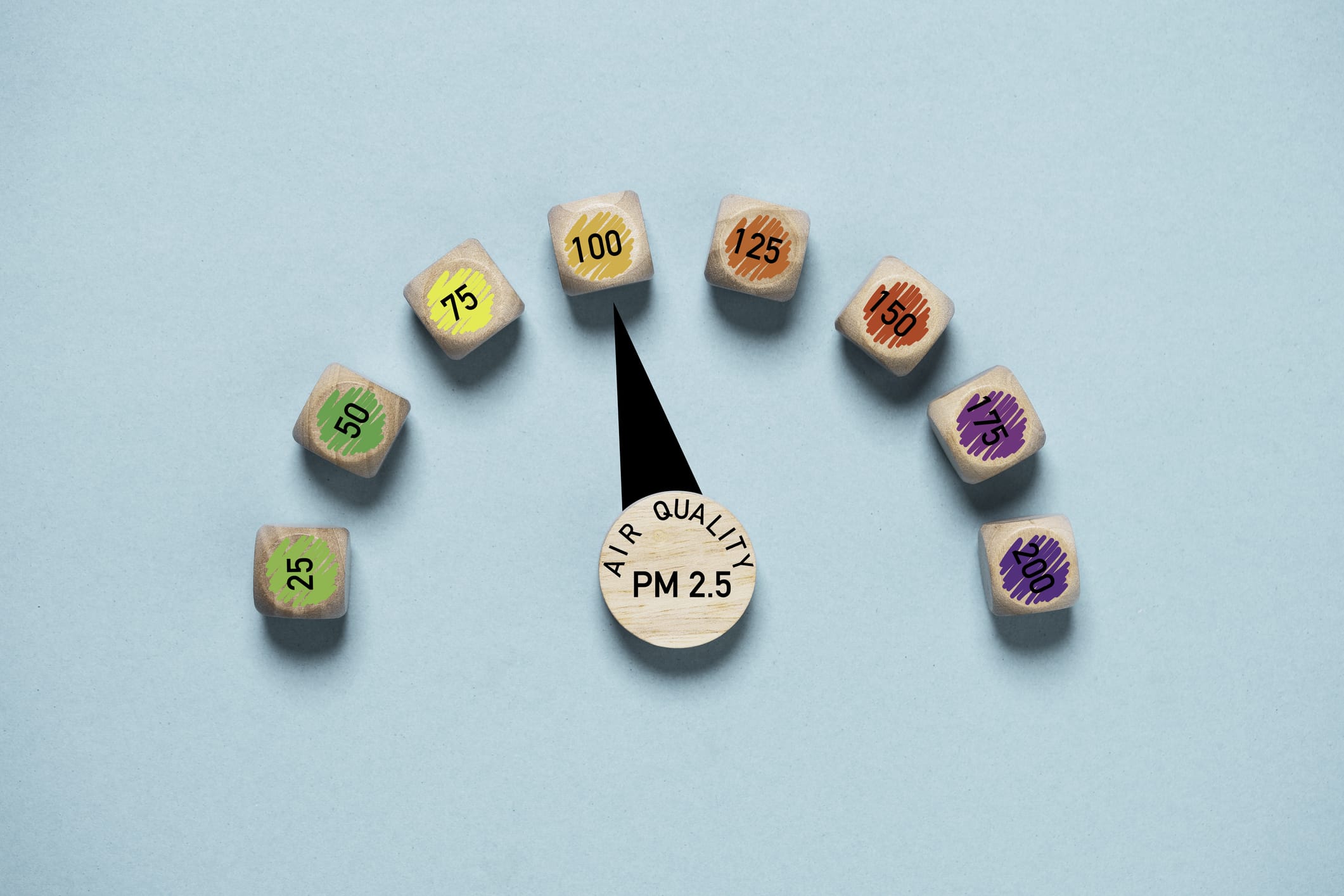
Tips: The changes don’t have any practical significance because Washington’s regulations already established action levels according to specified concentrations of PM2.5 (Particulate Matter measuring 2.5 micrometers). The only difference is that those concentrations are now pegged to different spots on the EPA’s color-coded AQI, which designates various levels of air quality on a scale from good to hazardous. For example, a level of air quality that was previously considered “moderate” might now be “unhealthy for sensitive groups” on the AQI.
Our Model Policy, Wildfire Smoke Program, was already updated with the new AQI levels, but if you never got around to updating your own policy and distributing it to employees, you have until May 16, 2025, to do so. Upon taking effect, the new AQI levels will be incorporated into Washington’s wildfire smoke regulations in WAC Chapter 296-820 (general industry) and WAC 296-307-098 through 296-307-09860 (agricultural industry). If you have any questions, please contact your Vigilant safety professional.

