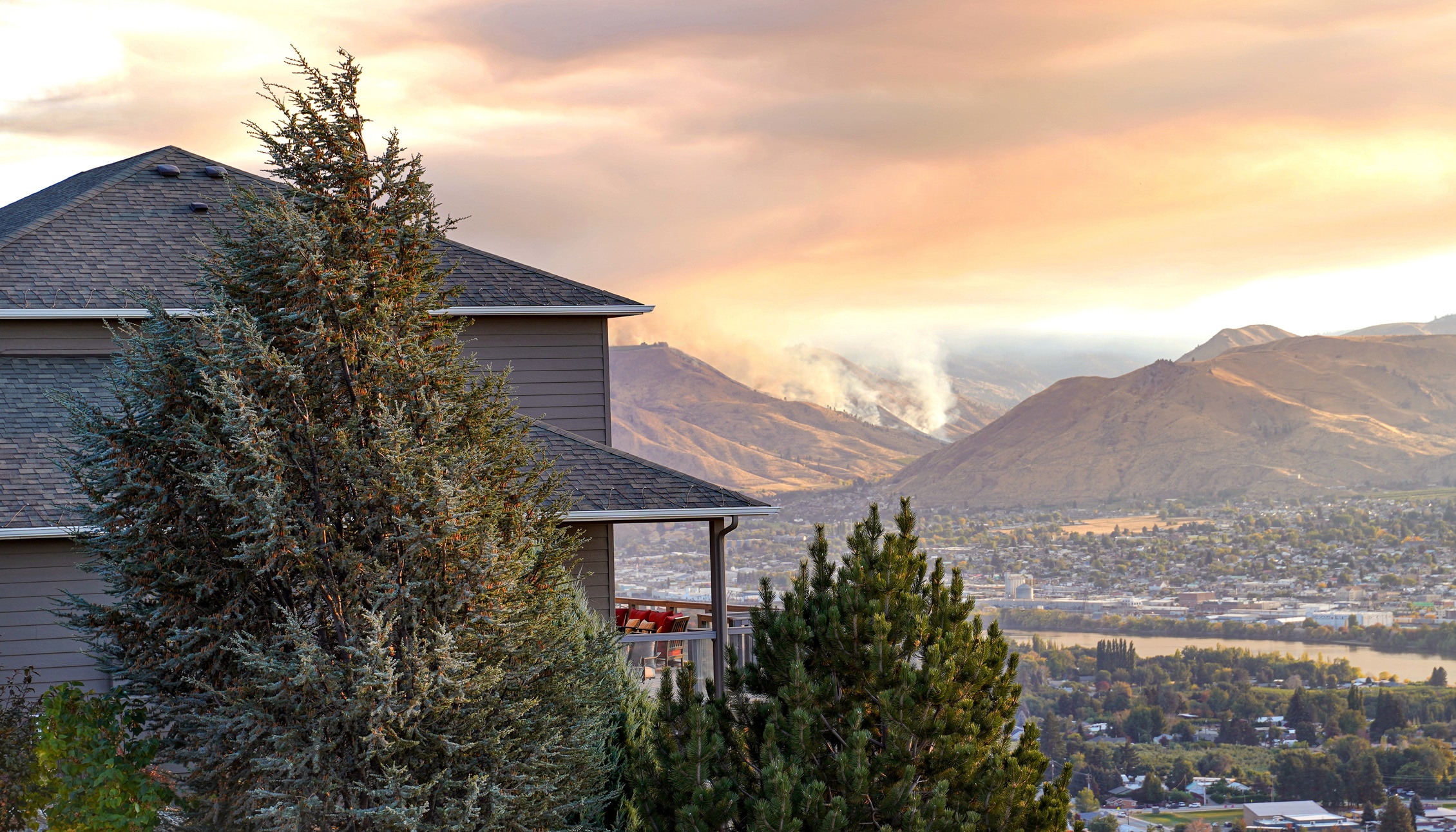
With wildfire season upon us yet again, employers must take steps to protect workers from harmful smoke exposure. Under federal OSHA’s General Duty Clause, employers must provide a workplace that is free from recognized hazards that are causing or are likely to cause death or serious physical harm to employees. Although there’s no federal rule specific to wildfire smoke exposure, the National Institute for Occupational Safety and Health (NIOSH) recommends monitoring local air quality (via EPA’s AirNow), adjusting work when smoke levels are high, and providing access to filtered indoor air and N95 respirators.
State rules in California, Oregon, and Washington take things further. Regulations have tightened in recent years, and even indoor facilities can be impacted. Cal/OSHA requires action, such as improving ventilation, training employees, and offering N95 masks, when the Air Quality Index (AQI) for PM2.5 reaches 151. See Cal/OSHA’s web page “Worker Protection from Wildfire Smoke” for more information. Oregon mandates air monitoring, hazard communication, and control measures when the AQI value reaches 101. See Oregon OSHA’s fact sheet on permanent rules for protection from wildfire smoke. Washington also established similar provisions last year, requiring a wildfire smoke plan, employee training, and respirator availability once the AQI exceeds 101. See the Washington L&I wildfire smoke webpage for an overview including Q&As, training, and resources.
Tips: See our Model Policy, Wildfire Smoke Program, for guidance on complying with safety rules in California, Oregon, and Washington. Contact your Vigilant safety professional if you have any questions about how to protect workers from wildfire smoke. Also, keep in mind that wildfire smoke and hot weather go hand in hand. See our Legal Guide, Heat Illness Prevention in the Workplace for state-specific rules.