
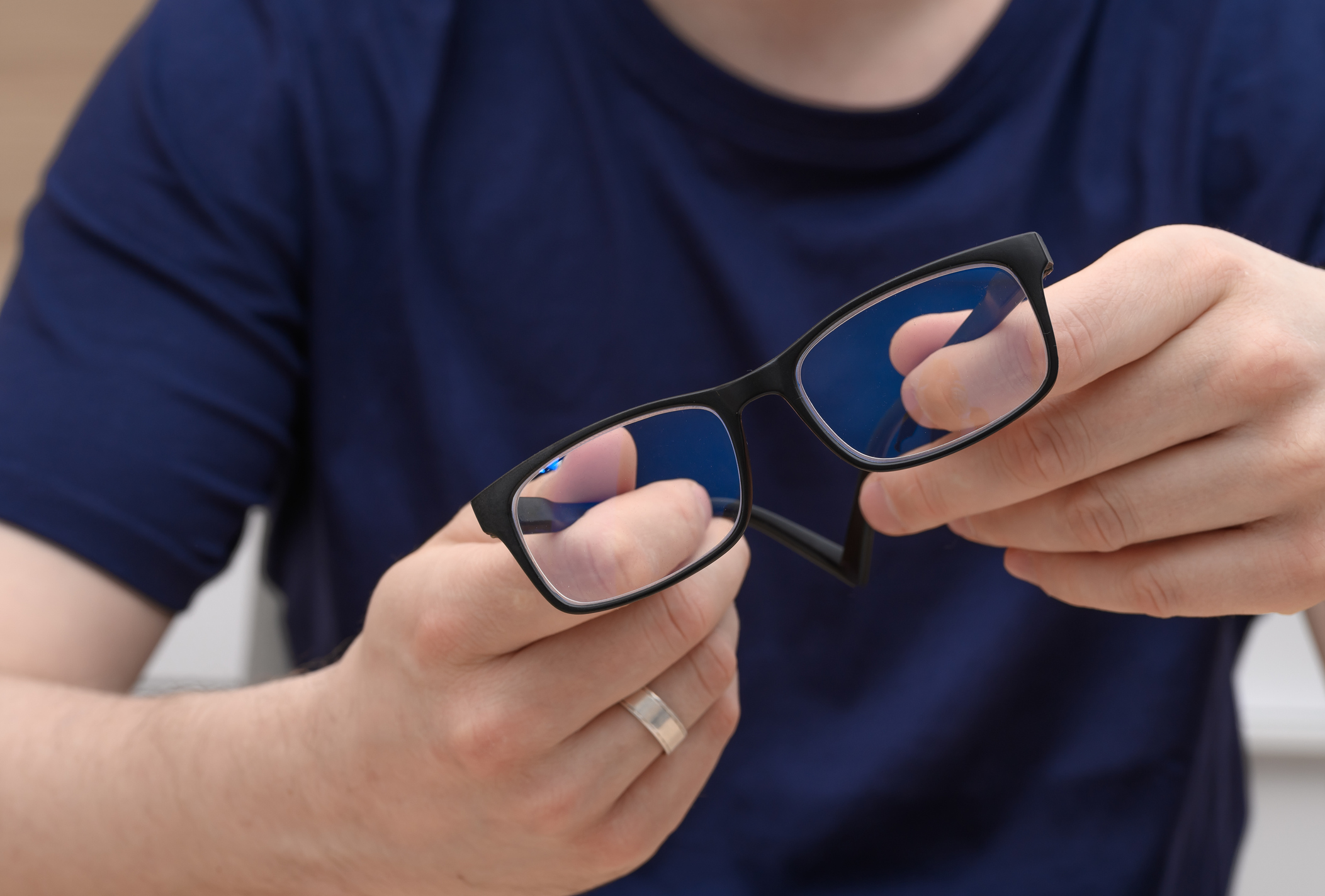
Question: We have an employee who started wearing a pair of “smart” eyeglasses to work. We only found out because he showed his peers some pictures he took while working. We have a policy that prohibits cell phones on the production floor for this very reason. His glasses are prescription. Can we still ban them?
Answer: Possibly, but there are several issues to consider before you do. Smart glasses are a rapidly advancing area of wearable technology—eyewear that can function as cameras, headphones, and augmented reality (AR) displays. Smart glasses can help those with hearing, vision, balance, and other health issues, but can also be worn for fun, such as gaming or taking pictures and videos. It’s these entertainment uses that can be problematic at work. Using glasses that discreetly take pictures and videos may not only distract the person who’s wearing the glasses (disrupting workflow and creating a safety hazard), but may also invade coworkers’ privacy and compromise proprietary company information. For example, if your employee uses smart glasses to secretly record two employees goofing off during their lunch break and later posts it online, coworkers may be concerned that they’re being recorded any time the employee wearing the glasses is around, fostering feelings of distrust. Also, photos and videos taken on smart glasses can reveal confidential company information (intentionally or unintentionally), such as specialized machinery or sales orders on a desktop.
In your situation, because these are prescription glasses, we recommend that you have a conversation with the employee to find out whether wearing the smart glasses at work is needed. Do they help him complete his essential job duties? Are these his only pair of prescription glasses? As part of this conversation, share your concerns, including the comfort of coworkers, the potential for distraction, and the business need to protect confidential and proprietary information. Very likely you can come to a mutual agreement on whether and when the glasses can be used at work. Moving forward, also consider whether smart glasses should be addressed in any of your policies (e.g., confidentiality, technology, cell phone, mutual respect, work rules, equal employment opportunity, accommodation, etc.). If you decide to prohibit the use of smart glasses in your employee handbook, be sure to mention your willingness to consider them as a reasonable accommodation for known disabilities. Need help updating your policies? Contact your Vigilant Law Group employment attorney.