
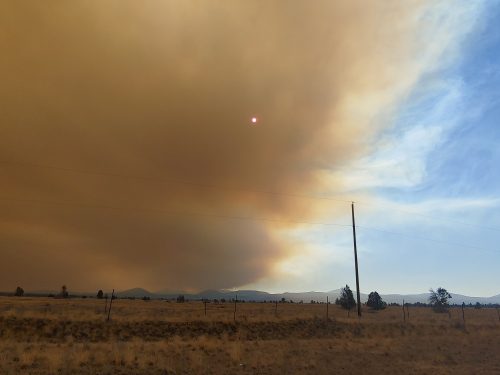
The Oregon Bureau of Labor and Industries (BOLI) recently announced that when Governor Tina Kotek declared a statewide emergency due to wildfires on June 15, 2026, it triggered a reduction in the length of time an individual must be employed in order to be eligible for leave under the Oregon Family Leave Act (OFLA). Normally an employee must be employed for at least 180 calendar days and work an average of at least 25 hours per week during the 180 calendar days before leave begins to be eligible for OFLA leave. But when a statewide public health emergency is declared, that eligibility period shrinks to 30 days. The governor’s order says it will remain in effect until the fire season is declared to be over or on December 31, 2026, whichever is earlier.
Tips: The governor’s order focuses on deploying resources to protect people and property from wildfires and an argument could be made that it doesn’t fit the definition of a “public health emergency” that would shorten the OFLA eligibility period. But because BOLI is taking the position that it does, Vigilant recommends assuming that employees who have been employed at least 30 calendar days and worked at least 25 hours per week during the 30-day period before leave began are eligible for OFLA leave. This poses challenges for employers who have already imposed discipline or denied leave for employees who were employed at least 30 days but fewer than 180 days, for absences that occurred on or after June 15, 2026. Contact your Vigilant Law Group employment attorney for specific advice.
OFLA protects time off for pregnancy disability, sick child leave that requires home care, public health emergency childcare leave when a school or child care provider is closed or unavailable for a statewide public health emergency, or bereavement leave. For more information about OFLA, see our Legal Guide, Federal and Oregon Family Leave Comparison Chart.

