
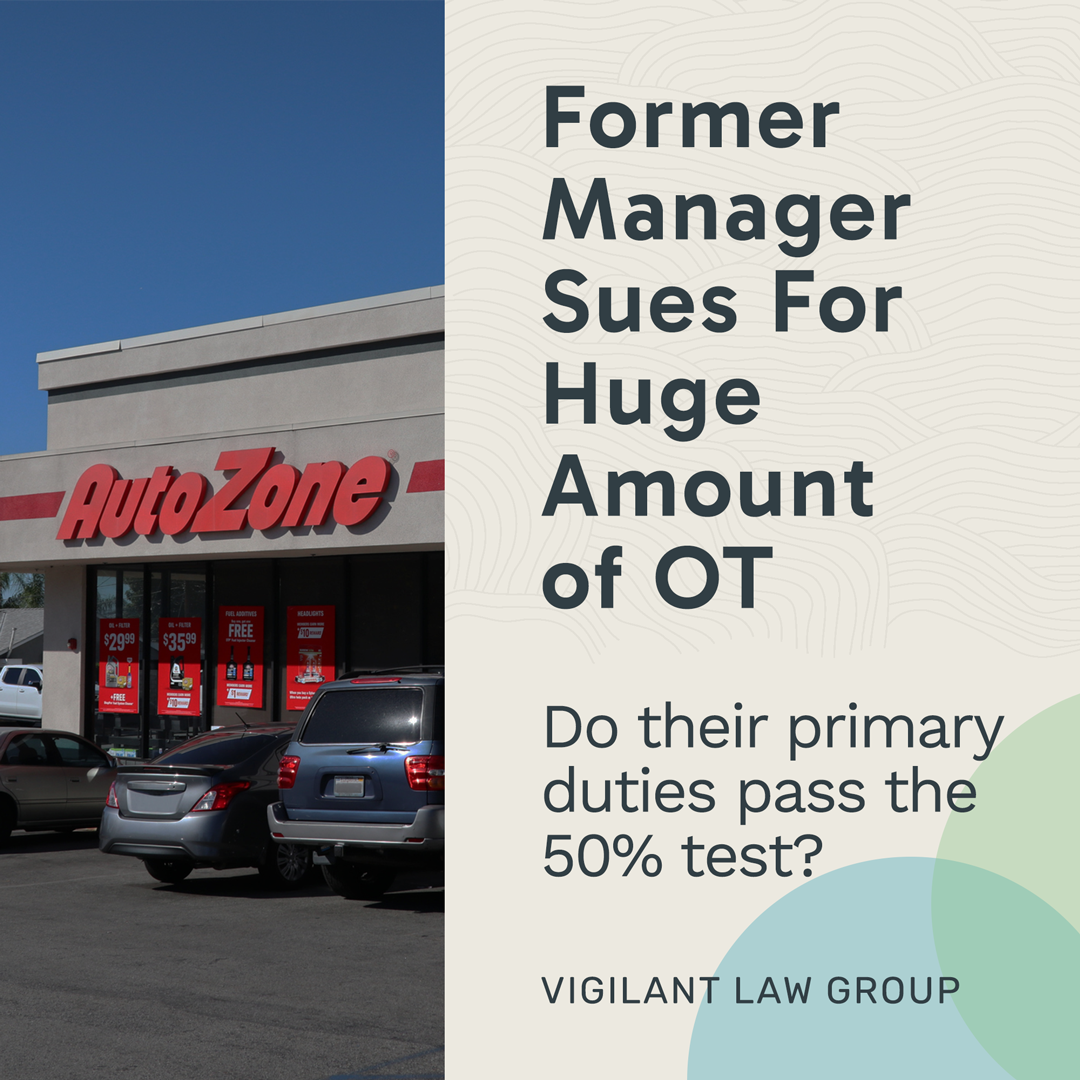
Question: A store manager who recently quit is now demanding a huge amount of overtime pay, claiming that they spent most of their time doing nonmanagement tasks. We classify all of our store managers as exempt from overtime. What is our exposure?
Answer: The answer will depend heavily on all of your store managers’ normal job duties. To qualify for the executive exemption from overtime, an employee’s “primary duty” must be performing management tasks. You’ll need to consider both federal and state standards. Federal regulations under the Fair Labor Standards Act (FLSA) define “primary duty” as “the principal, main, major or most important duty that the employee performs” (29 CFR 541.700). Under federal law, the primary duty doesn’t necessarily have to take up more than 50 percent of the employee’s time, although that’s a helpful indicator of its importance. Arizona, Idaho, Montana, Oregon, and Washington take a similar stance, but California requires employees classified as exempt from overtime to spend more than 50 percent of their time on exempt work. The FLSA regulations provide a long list of helpful examples of management tasks for purposes of the executive exemption from overtime, including training employees, addressing employee complaints, assigning work, disciplining employees, and determining equipment to be used (29 CFR 541.102).
FLSA Overtime Case Against AutoZoners, LLC Moves Forward
Recently a federal district court in Montana allowed a group of store managers for an auto parts company to proceed with their collective overtime lawsuit under the FLSA. The company had classified them as exempt, but the managers said their primary duty consisted of making sales and providing customer service at their assigned stores, which were nonexempt tasks (Richter v. AutoZoners, LLC, D Mont., March 2026).
The High Cost of Misclassification and Untracked Hours
The potential liability could be significant. Most employers don’t track work time for their exempt staff, making it difficult to challenge employees’ estimates of their own hours worked. The FLSA allows successful overtime claimants to collect up to two years of overtime pay, extended to three years if a court determines that the company’s violation was willful. In addition, state laws may impose penalties for late payment of wages. Multiply those figures by the number of affected employees and add attorney fees for both the company and the winning employees, and this dispute can get very expensive, very fast.
Best Practices and Resources for Ensuring Proper Exempt Status
If you’re uncertain whether you’ve correctly classified an employee as exempt from overtime, contact your Vigilant Law Group employment attorney (if you are a Vigilant member) for assistance with assessing the employee’s job duties compared to the legal standards for exempt status. When in doubt, it’s generally best to classify an employee as nonexempt, track their hours, and pay overtime accordingly. For further guidance, see our Legal Guides, When Is an Employee Exempt Under Federal Law?, State Laws on the White Collar Exemptions from Overtime, and Salary Basis Test for Overtime Exemptions.
Not a Vigilant Member?
Navigating complex wage and hour laws shouldn’t be a DIY project. Vigilant membership provides West Coast employers with access to a dedicated Vigilant Law Group employment attorney —helping you address issues early before they become costly legal disputes.
Contact us today to learn how we can support your organization.